
Visibility Sensors: How They Work and How to Choose the Right One
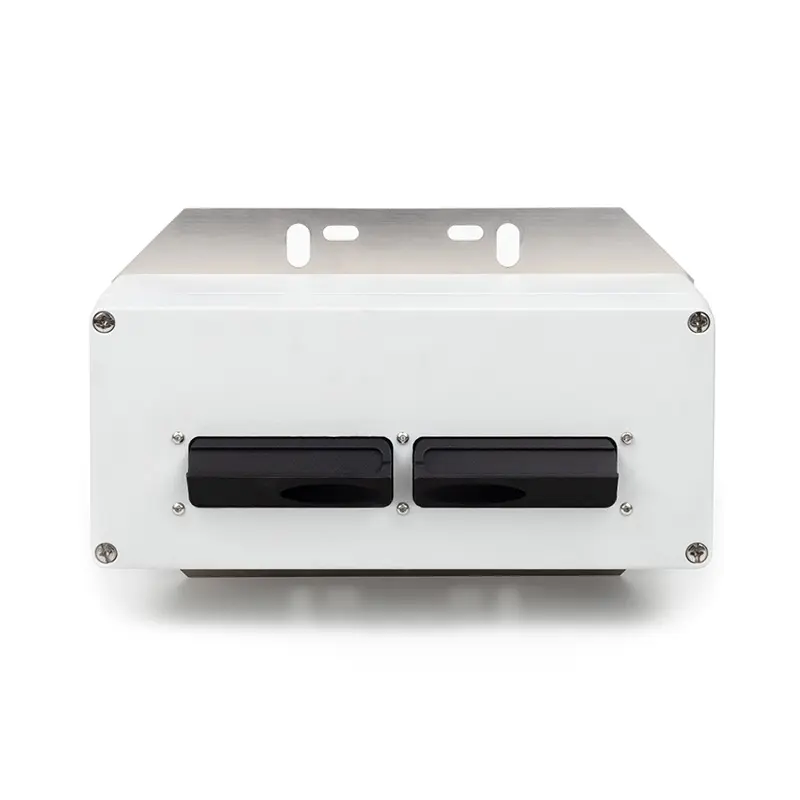
Atmospheric visibility can be affected by fog, mist, precipitation, dust, smoke, and other particles suspended in the air. In transportation and meteorological monitoring, visibility measurements can help operators understand changing atmospheric conditions and assess whether additional operational action may be needed.
A visibility sensor is an instrument designed to estimate visibility using a specified measurement method. When selecting one, it is important to understand what the instrument measures, how its output is defined, what environmental conditions may affect it, and how the data will be used.
This guide introduces the main concepts behind visibility measurement and outlines the factors to consider when selecting a visibility sensor for a road weather or environmental monitoring system.
1. What Is a Visibility Sensor?
A visibility sensor is used to estimate atmospheric visibility according to the instrument's measurement principle and calibration. Many meteorological visibility instruments use optical techniques that examine how light interacts with particles or droplets in the air.
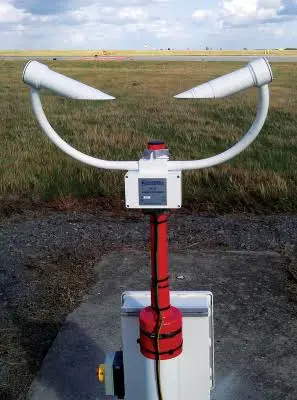
Visibility observations are relevant to road weather monitoring and other applications where atmospheric conditions may affect the ability to see objects at a distance. The measurement may be used as one input within a broader monitoring or operational decision system.
It is important to distinguish between a visibility measurement and a complete assessment of transportation safety. Visibility is only one factor that may influence safe operations, and the appropriate response depends on the operating environment and applicable procedures.
2. How Do Visibility Sensors Work?
Visibility instruments use different measurement approaches. The exact principle and reported output depend on the design of the instrument.
2.1 Optical Scattering
Some instruments estimate atmospheric conditions by measuring light scattered by particles or droplets in a sampled volume of air. The instrument processes the optical signal and uses its measurement model or calibration to derive a visibility-related value.
The result can be affected by the properties of the particles or droplets, the optical geometry, contamination, and other environmental conditions. The exact response depends on the instrument design and the atmospheric conditions encountered.
2.2 Other Optical Measurement Approaches
Some visibility measurement systems use other optical arrangements, including methods based on light attenuation over a defined path. These approaches may differ in installation requirements, optical geometry, maintenance, and suitability for a particular monitoring system.
Do not assume that every visibility sensor uses the same optical principle or reports exactly the same quantity. Review the manufacturer's description of the measurement method and the definition of the output value before comparing instruments.
3. Understand the Reported Measurement
Before selecting a visibility sensor, determine which visibility-related quantity the application requires and how the instrument defines it. Specifications and reporting conventions should be checked against the relevant operational or meteorological requirements.
When comparing instruments, ask:
- What quantity does the instrument report?
- What measurement principle does it use?
- What range and accuracy are specified?
- Under what conditions do the stated specifications apply?
- Does the reported output meet the requirements of the receiving system?
This step is particularly important when comparing instruments from different manufacturers. Similar product names do not guarantee that their measurement methods, specifications, or output definitions are identical.
4. Key Specifications to Compare
4.1 Measurement Range
The measurement range should cover the visibility conditions relevant to the application. Review the manufacturer's specified minimum and maximum values and confirm that they align with the project's monitoring objectives.
4.2 Accuracy and Resolution
Accuracy describes closeness to a reference or accepted value under specified conditions, while resolution describes the smallest change the instrument can distinguish or report.
Compare the definitions, measurement ranges, and test conditions used by each manufacturer. Do not assume that two accuracy figures are directly comparable without understanding how they were specified.
4.3 Response and Reporting
Visibility can change over time as weather conditions evolve. Consider the instrument's response characteristics, measurement update rate, output interval, and how the monitoring system records or processes its readings.
Choose settings appropriate for the project's operational needs. A higher reporting frequency does not, by itself, establish better accuracy or more reliable data.
4.4 Environmental Protection
Outdoor visibility sensors may be exposed to rain, dust, salt, condensation, vibration, temperature extremes, and other environmental influences. Check the stated operating limits, enclosure protection, materials, mounting requirements, and any relevant environmental test documentation.
4.5 Optical Window Contamination
Optical surfaces can be affected by dust, droplets, deposits, and other contamination. Depending on the design, contamination may interfere with the optical signal or require maintenance.
Review the manufacturer's cleaning instructions, any contamination detection or compensation features, and whether the site allows convenient access for inspection. Do not assume that every sensor includes automatic cleaning or contamination compensation.
4.6 Output Interface and Power
Confirm the sensor's electrical output, communication protocol, supply voltage, power consumption, connector, and data format. Check that the instrument can communicate with the intended data logger or monitoring platform.
Where the system contains multiple sensor types, verify the complete interface and power requirements for each component. Similar connector styles do not guarantee protocol compatibility.
5. Applications of Visibility Sensors
5.1 Road Weather Monitoring
Visibility sensors can be incorporated into road weather monitoring systems at locations where fog, mist, dust, or other atmospheric conditions may affect visibility.
The appropriate installation and measurement requirements depend on the road environment and operational objective. Consider the sensor's range, response, environmental suitability, maintenance access, and integration with the wider monitoring system.
For system-level planning, see our guide to selecting a road weather station.
5.2 Meteorological Observation
Visibility measurements can form part of a wider meteorological observation system. Depending on the station's purpose, they may be collected alongside temperature, humidity, wind, precipitation, and other environmental measurements.
System designers should confirm that the sensor's measurement method and reporting format are suitable for the intended observation program and applicable standards.
5.3 Environmental Monitoring
Visibility-related observations may also be useful in monitoring environments where airborne particles or atmospheric conditions reduce visual range. However, a visibility sensor should not automatically be treated as a substitute for a dedicated particulate matter or air quality instrument.
Different instruments measure different physical quantities. If the project requires a concentration of airborne particles or a specific pollutant, select equipment designed and validated for that measurement.
6. Installation Considerations
The installation should follow the instrument's technical documentation and the project's requirements. Consider the following factors:
- Measurement location: Choose a location that is representative of the conditions being monitored.
- Optical geometry: Follow the specified orientation and mounting arrangement for the measurement principle.
- Obstructions: Avoid unintended interference from nearby structures or equipment.
- Environmental exposure: Evaluate precipitation, dust, salt, temperature extremes, and other relevant conditions.
- Maintenance access: Ensure that optical surfaces and connections can be inspected according to the manufacturer's instructions.
- Power and communications: Confirm the electrical and data requirements before installation.
Because optical designs differ, installation guidance for one model should not be assumed to apply to another. Use the exact instrument's manual and any applicable project standards.
7. Data Quality and Maintenance
Reliable visibility monitoring requires more than selecting an instrument with suitable specifications. The system should also support appropriate installation, data checks, and maintenance.
Consider including the following in the operating plan:
- Routine inspection of the sensor and its optical surfaces.
- Cleaning according to the manufacturer's instructions.
- Checks for missing, frozen, or implausible readings.
- Verification of units, timestamps, communication settings, and data transmission.
- Documentation of maintenance, sensor replacement, and configuration changes.
- Performance verification or calibration according to the applicable documentation and project requirements.
The appropriate maintenance interval depends on the instrument, site conditions, operational requirements, and manufacturer guidance. Avoid applying one universal schedule to all visibility sensors.
8. Visibility Sensor Selection Checklist
- What is the intended application and monitoring objective?
- Which visibility-related quantity must be measured?
- What measurement principle does the candidate sensor use?
- Are its range, accuracy, resolution, and response appropriate?
- Can it operate within the site's environmental conditions?
- How does the design handle optical surface contamination?
- Does the output match the data logger or monitoring software?
- Are power, mounting, cabling, and installation requirements understood?
- Can the instrument be inspected and maintained at the site?
- Does the documentation address the project's standards and operational requirements?
Conclusion
Visibility sensors provide visibility-related measurements using specific optical methods. Selecting an appropriate instrument requires understanding the reported quantity, measurement principle, performance specifications, environmental limits, installation requirements, and maintenance needs.
For road weather applications, evaluate the visibility sensor as part of the complete monitoring system. Confirm that the instrument's measurements and output are appropriate for the operational decisions the system is intended to support.
To understand the broader range of meteorological measurements, read our Weather Sensors: Types, Applications & Selection Guide. For project planning, see How to Select a Road Weather Station.
Explore the relevant meteorological sensor category, if applicable to your current website, or contact Virtue Instrument to discuss your monitoring requirements.
References and Further Reading
- World Meteorological Organization (WMO), Guide to Instruments and Methods of Observation (WMO-No. 8). Consult the relevant visibility observation guidance and applicable provisions.
- Manufacturer datasheets and manuals for the exact visibility sensor under consideration.
- Applicable transportation, meteorological, or project-specific guidance defining the required visibility measurement and reporting format.
Technical note: This article provides general technical guidance. Visibility measurement methods and specifications differ by instrument. Confirm the required quantity, applicable standards, and model-specific limitations before selecting equipment.