
Weather Sensors: Types, Applications & Selection Guide
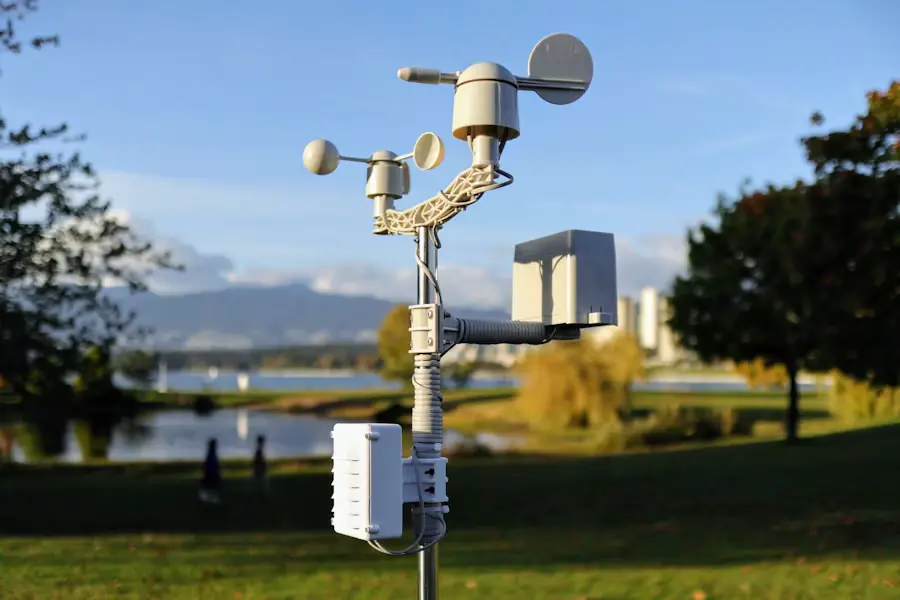
Weather data supports decisions across transportation, renewable energy, agriculture, environmental monitoring, and infrastructure management. However, the quality of this data depends on more than the monitoring platform itself. The sensors used to collect measurements, their installation conditions, and the way their data is maintained all influence the usefulness of the final results.
Weather sensors are instruments designed to measure specific atmospheric or environmental variables, such as air temperature, relative humidity, atmospheric pressure, wind speed, wind direction, precipitation, and visibility. Different applications require different combinations of measurements, levels of accuracy, and methods of data transmission.
This guide explains the main types of weather sensors, their measurement principles, the specifications worth comparing, and the practical considerations involved in selecting sensors for a weather monitoring project.
In this guide, you will learn:
- What different weather sensors measure and how they work.
- Which technical specifications matter when comparing sensors.
- How application requirements affect sensor selection.
- What to consider when integrating sensors into a weather monitoring system.
1. What Are Weather Sensors?
Weather sensors are measurement devices that detect and quantify environmental conditions. They may operate individually or as part of an automatic weather station, roadside monitoring system, or larger environmental data acquisition network.
A complete monitoring system commonly includes sensors, a data logger or controller, a power supply, a communication interface, and software for storing or displaying measurements. Depending on the installation, data may be transmitted through wired interfaces, cellular networks, or other supported communication technologies.
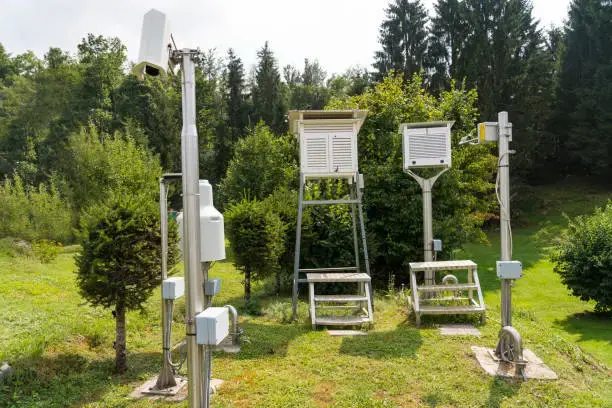
It is important to distinguish between a sensor and a complete monitoring system. A sensor measures a particular variable, while the wider system collects, processes, transmits, and presents the data. Compatibility between these components should be considered during project planning.
2. Main Types of Weather Sensors
The appropriate sensor combination depends on the purpose of the monitoring project. A basic weather station may measure temperature, humidity, pressure, wind, and precipitation, while specialized installations may require visibility, solar radiation, or other environmental measurements.
2.1 Temperature Sensors
Temperature sensors measure the thermal condition of the air or another specified medium. In meteorological applications, air temperature measurements can support weather observation, climate monitoring, agricultural management, and environmental analysis.
Different sensing technologies may be used, including resistance-based sensors and other electronic temperature measurement methods. The most appropriate technology depends on the required measurement range, accuracy, response time, operating environment, and system design.
When selecting a temperature sensor, consider:
- Measurement range: The expected minimum and maximum temperatures at the installation site.
- Accuracy: The allowable difference between the measured value and the reference value under specified conditions.
- Response time: How quickly the sensor responds to changes in temperature.
- Installation and radiation protection: Exposure to direct sunlight, precipitation, nearby heat sources, and inadequate ventilation can affect readings.
- Environmental protection: Whether the enclosure and sensing assembly are suitable for the expected outdoor conditions.
For outdoor air temperature monitoring, sensor placement and radiation shielding are particularly important. A technically capable sensor may still produce unrepresentative readings if it is exposed to direct solar heating or installed too close to a heat source.
2.2 Relative Humidity Sensors
Relative humidity sensors measure the amount of water vapor in the air relative to the amount the air can hold at the same temperature. Relative humidity is commonly expressed as a percentage.
These measurements are used in weather stations, agricultural monitoring, environmental observation, and applications where humidity affects materials, equipment, or operating conditions.
Important selection considerations include the measurement range, accuracy, long-term stability, condensation resistance, temperature operating range, and calibration requirements. The sensor should also be installed in a location that represents the environment being monitored.
Because relative humidity depends on temperature, temperature measurement and installation conditions should be considered when interpreting humidity data. Condensation, contamination, and prolonged exposure to severe environmental conditions may affect the performance of some sensor designs.
2.3 Atmospheric Pressure Sensors
Atmospheric pressure sensors measure the pressure exerted by the atmosphere. Pressure observations can support weather analysis, forecasting applications, and the monitoring functions of automatic weather stations.
When comparing pressure sensors, check the measurement range, accuracy, resolution, stability, temperature dependence, output format, and intended operating environment.
It is also important to understand how the measurement will be used. Station pressure and pressure adjusted to sea level are not identical quantities. If a project requires sea-level pressure, the conversion method and the information needed for that calculation should be defined by the monitoring system.
2.4 Wind Speed and Wind Direction Sensors
Wind measurements are important in meteorological observation, wind energy, aviation-related monitoring, infrastructure planning, and environmental applications. Wind sensors may measure speed, direction, or both.
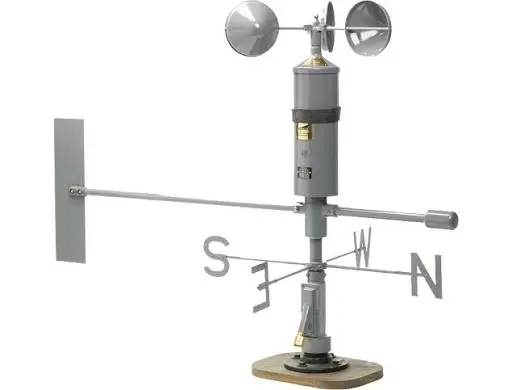
Common wind measurement technologies include mechanical cup anemometers, propeller-based instruments, and ultrasonic anemometers. These technologies differ in their construction, response characteristics, maintenance needs, and sensitivity to environmental conditions.
Cup anemometers use rotating cups to measure wind speed. They are an established technology used in many weather monitoring applications. Their mechanical components may require inspection and maintenance over time.
Propeller-based wind sensors use a rotating propeller to measure wind speed and may use a vane or another mechanism to determine wind direction, depending on the design.
Ultrasonic anemometers estimate wind speed and direction by measuring changes in the travel time of ultrasonic signals between transducers. Many designs have no moving mechanical parts, which can reduce certain mechanical maintenance requirements. However, performance still depends on the specific design, installation, environmental conditions, and any heating or contamination protection provided.
When selecting a wind sensor, evaluate:
- Wind speed and direction measurement ranges.
- Specified accuracy, resolution, and response characteristics.
- Starting threshold or low-wind performance, where relevant.
- Operating temperature and resistance to rain, dust, icing, or salt exposure.
- Heating options for installations where freezing conditions are expected.
- Output interfaces, sampling settings, and compatibility with the data acquisition system.
- Mounting requirements and the exposure of the installation site.
For a more detailed comparison, see our guide to choosing the right ultrasonic anemometer. Replace this link if your published article uses a different URL.
For a more focused selection process, read our guide on how to choose a wind speed sensor, which explains the key factors to compare for different monitoring needs.
If you are comparing mechanical and ultrasonic technologies, see ultrasonic vs. cup anemometers for a closer look at their differences and selection considerations.
2.5 Rain Gauges and Precipitation Sensors
Precipitation sensors measure rainfall or other forms of precipitation, depending on the instrument and its intended application. Rainfall data can support weather observation, water resource management, agricultural monitoring, and road weather systems.
A tipping-bucket rain gauge collects precipitation through a funnel and directs it into a mechanism that tips when a defined amount of water has accumulated. Each tip represents a known increment of precipitation. Other technologies use different measurement principles and may be better suited to particular operating conditions.
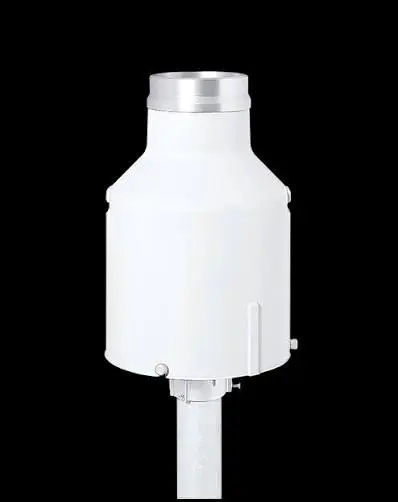
Important considerations include:
- Measurement resolution: The precipitation increment represented by each measurement or event.
- Rainfall intensity: Whether the instrument is suitable for the expected precipitation rates.
- Collection area and installation: Exposure, leveling, obstructions, and splash effects can influence measurements.
- Maintenance: Funnels and moving components, where present, may need cleaning or inspection.
- Cold-weather operation: Snow and freezing conditions may require a different instrument design or additional heating provisions.
Do not assume that all rain gauges measure snow or freezing precipitation accurately. Confirm the instrument's intended precipitation types and environmental operating limits before specifying it for a project.
2.6 Visibility Sensors
Visibility sensors estimate atmospheric visibility using optical measurement techniques. Depending on the instrument, measurements may be based on the scattering or attenuation of light by particles and droplets suspended in the air.
Visibility monitoring is relevant to road weather systems, transportation infrastructure, aviation-related applications, and locations where fog, mist, dust, or other atmospheric conditions can reduce visibility.
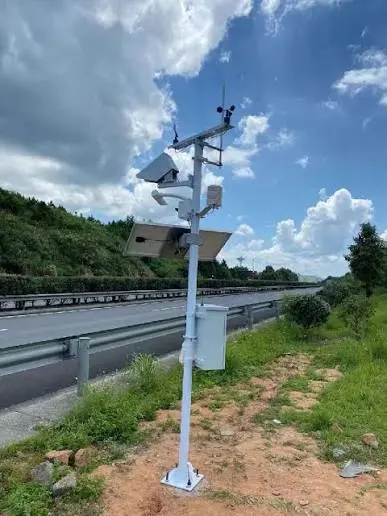
Selection criteria include the specified visibility range, measurement method, accuracy, response characteristics, environmental protection, optical window maintenance, and data output compatibility.
Optical surfaces may become contaminated by dust, precipitation, or other deposits. Installation and maintenance plans should account for the environmental conditions at the site. The intended application should also determine whether the sensor's measurement method and reporting format meet the relevant operational requirements.
For a more detailed discussion of measurement methods and selection criteria, see our visibility sensor guide.
2.7 Solar Radiation Sensors
Solar radiation sensors measure incoming solar energy over a defined spectral range or according to a particular measurement method. Depending on the instrument, they may be used in meteorology, agricultural research, climate observation, and solar energy applications.
Before selecting a radiation sensor, identify the required quantity. For example, global solar irradiance and photosynthetically active radiation are different measurements and should not be treated as interchangeable.
Consider the spectral response, measurement range, calibration, cosine response where applicable, installation orientation, exposure to obstructions, and maintenance of the sensing surface.
3. Understanding Weather Sensor Specifications
Two sensors designed to measure the same variable may have different specifications, environmental limits, interfaces, and maintenance requirements. Understanding these differences helps prevent a mismatch between the selected equipment and the needs of the project.
3.1 Measurement Range
The measurement range defines the values a sensor is designed or specified to measure. Choose a range that covers the expected conditions at the site, including relevant extremes. A wider range is not automatically better if other requirements, such as accuracy or resolution, are more important to the application.
3.2 Accuracy
Accuracy describes how close a measurement is to the true or accepted reference value. Datasheets may express accuracy in different ways, such as an absolute value, a percentage, or a combination of terms over a specified range.
Compare accuracy specifications carefully. Confirm the reference conditions, measurement range, and any stated limitations before comparing products. Accuracy figures from different manufacturers may not be directly comparable when they are defined under different conditions.
3.3 Resolution
Resolution describes the smallest change in a measured value that a system can distinguish or report. High resolution does not necessarily mean high accuracy. A sensor can display many decimal places while still having substantial measurement uncertainty.
3.4 Response Time and Sampling
Response time describes how quickly a sensor responds to a change in the measured condition. Sampling rate describes how often the system obtains or reports measurements. These are related but different characteristics.
Applications involving rapidly changing wind conditions may have different data requirements from applications focused on long-term environmental trends. Determine the necessary temporal resolution before selecting a sensor and data acquisition system.
3.5 Stability and Calibration
Stability describes how well a sensor maintains its measurement performance over time under specified conditions. Calibration establishes the relationship between instrument indications and reference values under defined conditions.
Review the manufacturer's calibration information, recommended verification procedures, traceability statements where applicable, and maintenance guidance. Calibration intervals should be determined according to the sensor, application requirements, operating environment, and applicable procedures rather than assuming that one interval suits every instrument.
3.6 Environmental Protection
Outdoor sensors may be exposed to precipitation, dust, temperature extremes, ultraviolet radiation, corrosion, vibration, and icing. Check the operating temperature range, enclosure protection rating, materials, mounting requirements, and any stated environmental limitations.
An ingress protection rating is useful for understanding protection against solids and water under defined test conditions, but it does not by itself guarantee suitability for every outdoor environment. Salt exposure, icing, condensation, and chemical contamination may require additional evaluation.
3.7 Communication Interfaces and Power
A sensor must communicate reliably with the system that receives its data. Depending on the product, outputs may include analog signals, pulse outputs, serial communication, or other digital interfaces.
Before purchasing, verify the exact interface, supported protocol, connector and wiring requirements, supply voltage, power consumption, cable length limitations, and compatibility with the intended data logger or controller. Do not assume that two sensors using the same connector automatically use the same communication protocol.
4. How to Choose the Right Weather Sensors
Sensor selection should begin with the monitoring objective rather than a product list. The following process can help project teams narrow their options.
Step 1: Define the Monitoring Objective
Determine which variables the system must measure and how the resulting data will be used. A general-purpose weather station, a wind energy installation, and a roadside ice-risk monitoring system may need different combinations of sensors.
Step 2: Identify Site Conditions
Assess expected temperatures, precipitation, wind exposure, dust, salt, icing, vibration, and available mounting locations. Consider whether the equipment will be installed in an accessible location or a remote site where maintenance visits are difficult or expensive.
Step 3: Establish Measurement Requirements
Define the required range, accuracy, resolution, response characteristics, and sampling frequency for each measurement. Where a project must comply with a technical standard or operational requirement, use that requirement as part of the specification.
Step 4: Check System Compatibility
Confirm that the sensor can work with the data logger, controller, communication network, power supply, and monitoring software. Check the actual protocol and data format, not just the connector type.
Step 5: Evaluate Installation and Maintenance
Consider mounting hardware, cable routing, sensor exposure, cleaning access, calibration or verification needs, spare parts, and expected service requirements. A lower initial purchase price may not represent the lowest total cost over the service life of a project.
Step 6: Compare Complete Specifications
Compare candidate products using the same criteria. Review the datasheet, operating limits, installation manual, calibration documentation, warranty, and available technical support. Ask the supplier to clarify any specification that is ambiguous or critical to the project.
5. Weather Sensor Applications
5.1 Automatic Weather Stations
Automatic weather stations combine sensors and data acquisition equipment to collect meteorological observations. The exact configuration depends on the purpose of the station, the required measurements, the location, and applicable observation standards.
A station may include temperature, humidity, pressure, wind, and precipitation sensors, with additional instruments added where required. Integration and installation should be planned as a complete system to support consistent data collection.
Explore the relevant meteorological sensors available for your monitoring requirements.
5.2 Road Weather Monitoring
Road weather monitoring systems collect environmental information to help road operators understand conditions that may affect traffic safety and infrastructure operations.
Depending on the system design, measurements may include air temperature, humidity, wind, precipitation, visibility, road surface temperature, and other indicators related to road conditions. Some systems also use specialized sensors to monitor surface wetness, freezing conditions, or ice formation.
The required sensor combination depends on the road environment, operational objectives, local climate, and the decision process supported by the monitoring system. A weather sensor alone should not be assumed to provide every piece of information needed to determine road safety.
For projects focused on road conditions, explore the relevant road weather monitoring solutions, if this category is available on your website.
If you are planning a complete roadside monitoring installation, read our guide on how to select a road weather station for additional guidance on matching sensor configurations to project requirements.
5.3 Wind Energy
Wind energy projects use wind measurements to characterize site conditions and support monitoring and operational activities. The appropriate sensor depends on the project stage, measurement objective, installation position, required data quality, and applicable industry requirements.
For wind farm applications, review wind speed and direction performance, environmental resistance, data output, mounting arrangements, and any required heating or icing protection. Product selection should be based on the project's technical specification rather than assuming that one sensor type is suitable for every installation.
5.4 Agriculture and Environmental Monitoring
Agricultural and environmental monitoring projects may combine temperature, humidity, precipitation, wind, solar radiation, and other measurements. These observations can help users understand local environmental conditions and analyze trends over time.
The required configuration depends on the crop, research objective, site characteristics, and intended use of the data. For long-term monitoring, consistency of installation, data quality checks, and maintenance planning are important considerations.
6. Installation, Data Quality, and Maintenance
Choosing a suitable sensor is only one part of building a reliable monitoring system. Installation practices and ongoing data quality management also influence whether the collected measurements represent actual site conditions.
Installation
- Follow the manufacturer's installation and mounting instructions.
- Choose a location that is representative of the conditions being measured.
- Consider nearby buildings, trees, reflective surfaces, heat sources, and other potential obstructions or influences.
- Check mounting orientation, leveling requirements, cable protection, grounding, and power arrangements where applicable.
- Record the sensor location, model, configuration, and installation date.
Data Quality
- Check for missing, duplicated, frozen, or implausible values.
- Confirm units, timestamps, time zones, and data transmission settings.
- Compare readings with reference instruments or neighboring observations when appropriate and scientifically justified.
- Document sensor replacement, configuration changes, and maintenance activities.
Maintenance
Maintenance needs vary by sensor technology, design, installation site, and application. Some instruments contain moving parts; others may need optical window cleaning, inspection of protective covers, checks of connectors, or verification of measurement performance.
Use the manufacturer's maintenance instructions and the project's data quality requirements to establish a suitable inspection schedule. Do not assume that a sensor requires no maintenance simply because it has no moving parts.
7. Weather Sensor Selection Checklist
Before finalizing a sensor specification or requesting a quotation, use the following checklist to identify the main project requirements.
- Measurement objective: Which environmental variables must be monitored?
- Measurement range: Does the specified range cover expected site conditions?
- Accuracy and resolution: Are the measurement characteristics appropriate for the intended use?
- Environmental conditions: Is the sensor suitable for the expected temperature, precipitation, dust, corrosion, or icing exposure?
- Communication: Is the output compatible with the data logger or controller?
- Power: Are supply voltage and power consumption compatible with the installation?
- Installation: Are mounting hardware, orientation, cabling, and site exposure understood?
- Maintenance: Are inspection, cleaning, calibration, and replacement requirements documented?
- Documentation: Are datasheets, manuals, and calibration information available?
- Project requirements: Are applicable standards, contractual specifications, and local requirements addressed?
A clear specification helps suppliers recommend suitable equipment and reduces the risk of choosing a sensor that is incompatible with the intended application.
Conclusion
Weather sensors are essential components of meteorological and environmental monitoring systems, but the best choice depends on the measurement objective, site conditions, required data quality, system compatibility, and maintenance plan.
Start by defining the variables your project needs to measure. Then compare sensor technologies and specifications using consistent criteria, verify environmental suitability, and confirm that the selected instruments can integrate with the wider monitoring system.
If you are planning an automatic weather station, road weather monitoring installation, or another environmental measurement project, contact the Virtue Instrument team to discuss your measurement requirements and identify suitable sensor options.
References and Further Reading
- World Meteorological Organization (WMO): Guide to Instruments and Methods of Observation (WMO-No. 8). Refer to the relevant chapters for measurement methods and meteorological observation guidance.
- National Institute of Standards and Technology (NIST): Sensor Calibration and Characterization to Meet Climate Monitoring Requirements. Useful background on calibration, characterization, and measurement comparability.
Note: Sensor specifications, operating limits, installation requirements, and maintenance procedures vary by model. Always consult the relevant manufacturer's documentation and applicable project standards before making engineering or procurement decisions.