
How to Choose a Wind Speed Sensor: A Practical Selection Guide
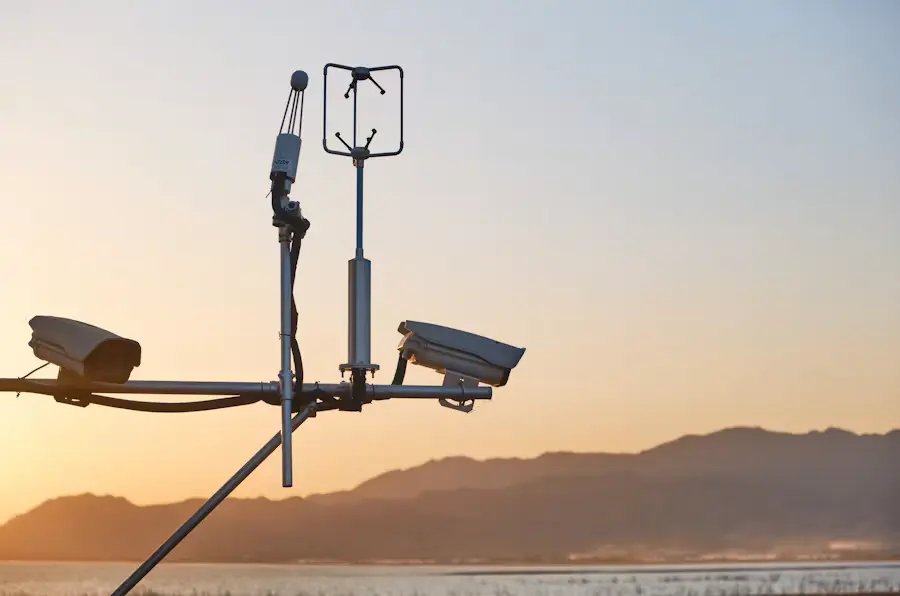
Wind speed measurements are used in automatic weather stations, wind energy projects, transportation monitoring, environmental research, and industrial applications. However, not every wind speed sensor is designed for the same operating conditions or measurement requirements.
When selecting a sensor, buyers should consider the measurement range, specified accuracy, response characteristics, environmental exposure, data interface, installation requirements, and maintenance plan. The most suitable instrument is the one that meets the project's actual requirements—not necessarily the one with the most impressive specification in a single category.
This guide explains the key factors to evaluate when choosing a wind speed sensor and provides a practical checklist for preparing a project specification.
1. Define the Application Before Comparing Sensors
Start by identifying what the wind measurement will be used for. A general-purpose weather station may have different data requirements from a wind energy assessment campaign or an industrial safety monitoring system.
- Automatic weather stations: May require continuous wind speed observations integrated with temperature, humidity, pressure, and precipitation measurements.
- Wind energy projects: May require documented measurement performance, suitable mounting arrangements, and compatibility with project-specific data acquisition requirements.
- Road weather monitoring: May require reliable operation in exposed roadside environments and integration with other meteorological measurements.
- Industrial monitoring: May prioritize rugged construction, defined output interfaces, and compatibility with existing control systems.
These are general examples rather than universal specifications. The project's technical requirements, applicable standards, and intended use should determine the final sensor selection.
2. Understand the Main Types of Wind Speed Sensors
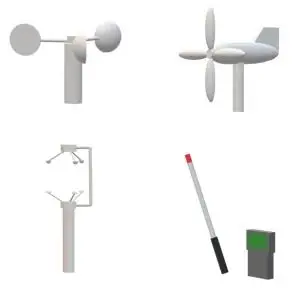
2.1 Cup Anemometers
A cup anemometer uses rotating cups to respond to airflow. The instrument converts rotation into a wind speed measurement according to its design and calibration.
Cup anemometers are an established option for meteorological observation. Their mechanical construction, however, means that bearings and other moving components may require inspection or maintenance over time.
When evaluating a cup anemometer, review its starting threshold, specified measurement range, accuracy, operating temperature, bearing or maintenance requirements, and suitability for the intended installation.
2.2 Propeller-Based Wind Sensors
Propeller-based instruments use a rotating propeller to measure airflow. Depending on the design, wind direction may be measured by a separate vane or integrated into the instrument.
Consider the sensor's directional response, mechanical components, mounting orientation, maintenance requirements, and compatibility with the monitoring system. The design should be assessed against the specific application rather than compared by technology name alone.
2.3 Ultrasonic Anemometers
Ultrasonic anemometers estimate wind speed from the travel times of ultrasonic signals between transducers. Multi-axis designs can also determine wind direction.
Many ultrasonic designs have no moving mechanical parts, which can reduce maintenance associated with mechanical wear. However, they still require appropriate installation and may be affected by factors such as icing, contamination, obstruction, or environmental conditions outside their specified limits.
Where freezing conditions are expected, check whether the specific model includes heating or another suitable icing mitigation feature. Do not assume that every ultrasonic sensor is heated or immune to icing.
For a detailed technology comparison, read Ultrasonic vs. Cup Anemometer: How to Compare Wind Sensors.
3. Compare the Most Important Specifications
3.1 Measurement Range
The measurement range describes the wind speeds the sensor is specified to measure. Review the expected conditions at the site, including low winds and potential high-wind events, and confirm that the sensor covers the project's required range.
A broad range alone does not establish that a sensor is suitable. Accuracy, resolution, response, and other specifications should be reviewed alongside it.
3.2 Accuracy and Resolution
Accuracy describes how close a measurement is to a reference or accepted value under specified conditions. Resolution describes the smallest change the system can distinguish or report.
These characteristics are not interchangeable. A sensor may report small increments without achieving the same level of measurement accuracy. Compare specifications using their definitions, reference conditions, and stated operating ranges.
3.3 Starting Threshold and Low-Wind Performance
For applications where low wind speeds matter, review how the manufacturer defines starting threshold or minimum measurable wind speed. Mechanical and ultrasonic instruments use different measurement principles, so their low-wind specifications should be interpreted in the context of their design and test conditions.
3.4 Response and Sampling
Response time describes how quickly the sensing system reacts to changing conditions. Sampling and output rates describe how frequently measurements are collected or reported. These are related but distinct properties.
Choose settings appropriate for the intended analysis and data acquisition system. A higher output rate does not automatically guarantee better measurement quality.
3.5 Environmental Resistance
Outdoor installations may experience rain, dust, ultraviolet exposure, temperature extremes, salt, vibration, or icing. Review the sensor's operating limits, enclosure protection, materials, mounting requirements, and any stated environmental restrictions.
For coastal or cold-weather sites, ask the supplier for documentation relevant to corrosion protection and icing mitigation. A general outdoor rating should not be interpreted as proof of suitability for every severe environment.
4. Check the Data Interface and Power Requirements
A wind sensor must work with the project's data logger, controller, or monitoring software. Depending on the product, the output may be analog, pulse-based, or digital.
Before ordering, confirm:
- Output signal and communication protocol.
- Supply voltage and power consumption.
- Connector, pinout, cable, and grounding requirements.
- Units, data format, configuration options, and output rate.
- Compatibility with the existing data acquisition equipment.
Do not assume that two sensors are interchangeable simply because they use the same connector or advertise a similar output type. Confirm the full electrical and communication specifications.
5. Consider Installation and Maintenance
Sensor performance depends not only on its design but also on how it is installed. Nearby buildings, trees, masts, and other obstacles can disturb airflow and affect how representative the measurement is.
Follow the manufacturer's installation instructions and the project's applicable meteorological guidance. Check mounting height, exposure, orientation, cable routing, accessibility, and any site-specific requirements.
Maintenance planning should reflect the sensor design and the environment. Mechanical sensors may require attention to moving components. Ultrasonic sensors may need inspection for contamination, obstruction, or icing. Neither technology should automatically be considered maintenance-free.
6. A Practical Wind Speed Sensor Selection Checklist
- What is the primary application?
- What minimum and maximum wind speeds must be measured?
- What accuracy, resolution, and response characteristics are required?
- Is wind direction also required?
- Will the sensor operate in freezing, dusty, corrosive, or otherwise demanding conditions?
- Is heating or another environmental protection feature required?
- Does the output interface match the data acquisition system?
- What mounting, inspection, and maintenance requirements apply?
- Which standards, project specifications, or documentation must be met?
Conclusion
Selecting a wind speed sensor is a process of matching measurement requirements, site conditions, system compatibility, and maintenance expectations. Mechanical and ultrasonic technologies each have design characteristics that may make them appropriate for different projects.
Before making a purchase, compare the complete datasheets, confirm installation requirements, and clarify any specification that is critical to the project.
To explore the available options, visit the relevant meteorological sensor category, if the category matches your site's current structure, or contact Virtue Instrument with your project requirements.
For a broader introduction to other meteorological instruments, see our Weather Sensors: Types, Applications & Selection Guide.
References and Further Reading
- World Meteorological Organization (WMO), Guide to Instruments and Methods of Observation (WMO-No. 8). Consult the relevant wind observation guidance for the intended application.
- Manufacturer datasheets and installation manuals for the exact candidate models. Use these to verify measurement range, accuracy, outputs, environmental limits, and maintenance instructions.
Technical note: This article provides general selection guidance. Actual performance and suitability depend on the specific sensor model, installation, operating conditions, and project requirements.